HPAIR — Harvard College Project for Asian and International Relations
    For Aspiring Middle School Future Doctors

    Junior Doctor Fellowship

    Six medical mysteries. Three weekends. One future doctor.

    Saturdays & Sundays, 9:00–10:30 AM EDT. Roleplay specialists, diagnose mystery patients, explore body systems, and discover careers beyond the white coat — then present your capstone project at Demo Day. Grades 5–8, Harvard student mentor.

    🚀 Cohort 1: Oct 3 – 18, 2026🚀 Cohort 2: Dec 19, 2026 – Jan 3, 2027🚀 Cohort 3: Mar 20 – Apr 4, 2027🎓 Harvard Student Mentors🎒 Grades 5-8📅 3 Weekends
    3 Weekends · 6 SessionsSat & Sun 9:00 - 10:30 AM EDTHarvard Student Mentors5–8 Students Per CohortA New Mystery Every SessionHands-On ActivitiesCasebook PortfolioCapstone PresentationWeekly Parent Reports3 Weekends · 6 SessionsSat & Sun 9:00 - 10:30 AM EDTHarvard Student Mentors5–8 Students Per CohortA New Mystery Every SessionHands-On ActivitiesCasebook PortfolioCapstone PresentationWeekly Parent Reports
    🎓Harvard undergraduate facilitators
    🔬Medically accurate case content
    👥Max 8 students per cohort
    📋Casebook portfolio every student keeps
    🌍Students in 12+ countries
    The design philosophy

    Medicine is not a subject.
    It is a way of thinking.

    Children at ages 11–14 don't learn medicine from slides. They learn it from mysteries, activities, debates, and the thrill of cracking a case. Every session is a new puzzle — and they can't wait for the next one.

    There is a patient. There are clues. There is an activity that makes them feel like real doctors. And at the end — a Casebook they built themselves, presented at a Medical Conference. That's the Junior Doctor Fellowship.

    "The best moment isn't when a student gets the diagnosis right. It's when they're in the middle of a debate, forget they're in a class, and start arguing like a real physician defending a case."

    — Junior Doctor Fellowship curriculum design note
    1
    A new mystery every week
    No single case dragged across three weekends. Every session opens a fresh case — variety keeps middle schoolers hooked and gives them a win every week.
    2
    Activities, not lectures
    Roleplay, debates, outbreak mapping, competitive games. Students learn by doing — never by watching slides.
    3
    Patients are people
    Every patient has a name, a family, and fears. Medicine is a human profession. We build that instinct from the very first session.
    4
    Build toward a capstone
    Every week's deliverable adds to their Junior Doctor Fellowship Casebook — a real portfolio they present at the Week 6 Medical Conference.
    The six mysteries

    A new case every session.
    Each one unforgettable.

    Six self-contained medical mysteries. Each session has its own patient, its own twist, and a hands-on activity that makes students feel like real doctors. Complexity builds — and in Session 6, they present everything.

    Sess
    1
    🩺Welcome to Medicine

    Theme: What does it mean to be a doctor? Understand different careers in healthcare, learn what 'pre-med' means, and begin thinking about why medicine matters in everyday life.

    Sess
    2
    🎨Choose Your Project

    Theme: Turn an idea into a health project. Choose a final project topic connected to medicine, health, the human body, or community care.

    Sess
    3
    🔍Medical Mystery Case

    Theme: Think like a doctor. Learn how doctors use symptoms, patient history, and evidence to make a diagnosis.

    Sess
    4
    🧠The Gross but Cool Human Body

    Theme: Body systems and surprising science. Explore major body systems and understand how the body works together to keep us alive.

    Sess
    5
    🥼Beyond the White CoatPlot twist week

    Theme: Different paths in medicine and science. Medicine includes many careers beyond being a doctor — research, public health, nursing, therapy, engineering, and global health.

    Sess
    6
    🎓Demo Day and CelebrationCapstone

    Theme: Present your work and celebrate. Present your final project, answer questions, and reflect on what you learned about medicine and healthcare.

    Cohort Schedule

    A rigorous 3-weekend path.
    Every Saturday and Sunday.

    The program runs across three focused weekends. Each day is a dedicated 90-minute live interactive session, guided by a Harvard student pre-med mentor.

    🌐 09:00 AM – 10:30 AM EDT⏰ 06:00 PM – 07:30 PM GST (Gulf)⏰ 07:30 PM – 09:00 PM IST (India)
    Oct 3 – Oct 18, 2026
    Weekend 1Oct 3 – 4, 2026

    Welcome & Project Kick-off

    Healthcare careers, pre-med foundations, and choosing a capstone health project topic.

    Sat · Oct 3 · Session 1Healthcare Careers
    Welcome to Medicine
    • Healthcare roles & specialists
    • What 'pre-med' really means
    • Deliverable: Career interest reflection
    Sun · Oct 4 · Session 2Project Formulation
    Choose Your Project
    • Brainstorm 3 health project ideas
    • Peer feedback circle (I like / I wonder / You could add)
    • Deliverable: Project planning worksheet
    Weekend 2Oct 10 – 11, 2026

    Clinical Reasoning & Anatomy

    Diagnose a mystery patient case, then explore the body systems that keep us alive.

    Sat · Oct 10 · Session 3Clinical Diagnosis
    Medical Mystery Case
    • Symptoms & patient history clues
    • Medical team diagnostic reasoning
    • Deliverable: Diagnostic clues reflection
    Sun · Oct 11 · Session 4Anatomy & Systems
    The Gross but Cool Human Body
    • Major organ & immune systems
    • Body system commercials in teams
    • Deliverable: Labeled body systems worksheet
    Weekend 3Oct 17 – 18, 2026

    Career Exploration & Scientific Showcase

    Discover careers beyond the white coat, then present capstone projects to peers and Harvard mentors.

    Sat · Oct 17 · Session 5Career Exploration
    Beyond the White Coat
    • Research, public health, therapy, global health
    • Career card spotlight — 1-minute team explainers
    • Deliverable: Career interest reflection
    Sun · Oct 18 · Session 6Scientific Presentation
    Demo Day & Celebration
    • 3–5 min capstone showcase
    • Peer & mentor Q&A
    • Deliverable: Graduation & Certificate Ceremony
    Every session · Saturday & Sunday

    How a Junior Doctor Fellowship session runs.

    Every 90-minute session follows the same rhythm — designed to maximize discovery, activity, and fun. The facilitator is a conductor, not a teacher.

    0:00–0:10
    🔍
    Cold Open
    No greeting. No admin. Straight into: "Here's your patient. What do you notice?"
    "Never start with 'Today we're going to learn...'"
    0:10–0:25
    📋
    The Case Drop
    New mystery revealed. Read dramatically. Pause. Let them react before anyone speaks. Hand out the clues.
    "Confusion is productive."
    0:25–0:55
    🎮
    Activity Time
    The session's hands-on activity: roleplay, debate, outbreak mapping, diagnosis game. Every student participates.
    "If they're not doing something, redesign the session."
    0:55–0:80
    📝
    Casebook & Peer Review
    Students write up findings in their personal Casebook, share clinical reasoning with peers, and defend their diagnosis.
    "Individual thinking and debate are non-negotiable."
    0:80–0:90
    Facilitator Q&A & Teaser
    Deconstruct the case study with clinical rationale, direct mentor feedback, and a teaser for the next mystery.
    "Start thinking about what you'd do if..."
    What students build

    Skills that no classroom teaches.

    🧠
    Clinical reasoning
    Generating, ranking, and defending a differential diagnosis. The core skill of medicine — learned through practice, not memorization.
    Differential diagnosisEvidence evaluationHypothesis testing
    🔬
    Medical knowledge
    Body systems, lab interpretation, clinical vocabulary — all learned in context of real cases, not abstracted into textbook lists.
    Body systemsLab basicsClinical vocab
    🎤
    Case presentation
    Presenting a case clearly under pressure, defending under live questioning, and changing position when new evidence demands it.
    Oral presentationMedical writingDebate skills
    ⚖️
    Medical ethics
    Autonomy, beneficence, justice — not as definitions, but as real tensions in real cases. Students argue both sides of genuine ethical dilemmas.
    Patient autonomyPublic healthEthical reasoning
    🎯
    Intellectual flexibility
    The ability to abandon a theory when evidence demands it. The ethics debate in Week 4 is designed specifically to build this.
    Cognitive flexibilityMetacognitionBias awareness
    ❤️
    Patient empathy
    Every patient has a name, family, and fears. Students don't solve cases — they help people. The instinct for empathy starts from session one.
    Patient perspectiveWhole-person viewCommunication
    📊
    Evidence integration
    Distinguishing symptoms, signs, and test results. Understanding which evidence is more reliable — and why it matters for diagnosis.
    Data literacySource evaluationCritical thinking
    🌟
    "Why medicine?" clarity
    Every student who completes the program can answer "Why do you want to be a doctor?" with something authentic — not rehearsed.
    Self-awarenessCareer clarityNarrative foundation
    Your child's facilitator

    A Harvard pre-med student who is living this path right now.

    Junior Doctor Fellowship facilitators are not former doctors or academic advisors. They are current Harvard undergraduates on the pre-med track — navigating the same pathway your child aspires to, right now.

    That's the difference. They know what medical school admissions officers read last month. They know what clinical experiences matter in 2025. They know what the MCAT tested last semester. No advisor 15 years out of school knows these things with the same currency.

    Spotlight Mentor
    ★ Cohort Leader
    AS

    Anika Sharma

    Harvard College · Class of 2026

    Focus Area
    Neuroscience & Molecular Bio
    Research
    Neuroscience at HMS
    Background
    Dubai (Gulf Journey Expert)
    Experience
    4 Cohorts Facilitated

    Deeply familiar with the Gulf family's journey toward US medical school. Passionate about guiding young minds to unlock clinical reasoning and collaborative medical problem solving.

    Neuroscience ResearchUS MD PathwayGulf Cohort ExpertHarvard Pre-Med
    What facilitators actually do
    Roleplay the case characters
    Facilitators voice the patient, the parents, the school nurse — making the investigation feel real and urgent.
    Challenge every answer
    The facilitator never confirms if a student is right. Instead: "What evidence made you go there?" — keeping reasoning active.
    Manage the student who figures it out early
    When a student gets the answer fast, facilitators redirect without confirming — using them to elevate the group.
    Write the qualitative assessment
    After Week 6, every facilitator writes a 3-sentence assessment of how the student thinks — shared with parents.
    Brief parents weekly
    A 3-sentence email after every session: what happened in the case, what the student contributed, one thing to ask your child.
    Pricing & Pathway

    One cohort. Six mysteries.
    The beginning of a 7-year journey.

    The Junior Doctor Fellowship is the entry point to the Future Doctor track. Most families start here and continue through the Masterclasses and Fellowship programs.

    Included in the Fellowship

    6 live interactive sessions (90 mins each) with Harvard pre-med mentor
    5–8 student cohort — mixed grades 5–8 together
    6 unique medical mysteries — a new case every session
    Hands-on activities every session: roleplay, debates, games
    Personal Junior Doctor Fellowship Casebook — built session by session
    Session 6 Medical Conference with capstone presentation
    Weekly parent brief after every session
    Qualitative assessment + Certificate of Completion
    Priority enrollment in Masterclass or Fellowship
    The FDP pathway — where Junior Doctor Fellowship leads
    Junior Doctor Fellowship
    Now · $499
    Masterclass
    Grade 8 · £399
    Future Doctor Fellowship
    Grade 9–10 · $850
    Full Track
    Grade 9–12 · $10K
    SCHOLARSHIP PRICING
    $499
    $899
    per student · 3 weekends · 6 sessions
    Limited to 8 students per cohort
    Cohort 1 begins Saturday, Oct 3, 2026
    Cohort 2 begins Saturday, Dec 19, 2026
    Cohort 3 begins Saturday, Mar 20, 2027
    Priority enrollment in Masterclass / Fellowship
    Includes Certificate & qualitative Harvard mentor report
    Apply for Fellowship, $499
    Secure checkout. Installment options available at cohort confirmation.
    Questions from parents

    Every question
    we get asked.

    Meet Your Mentors

    Harvard students. Real ones.

    Every cohort is led by current Harvard undergraduates pursuing medicine, neuroscience, and global health. Not tutors. Not actors. The students med schools admit.
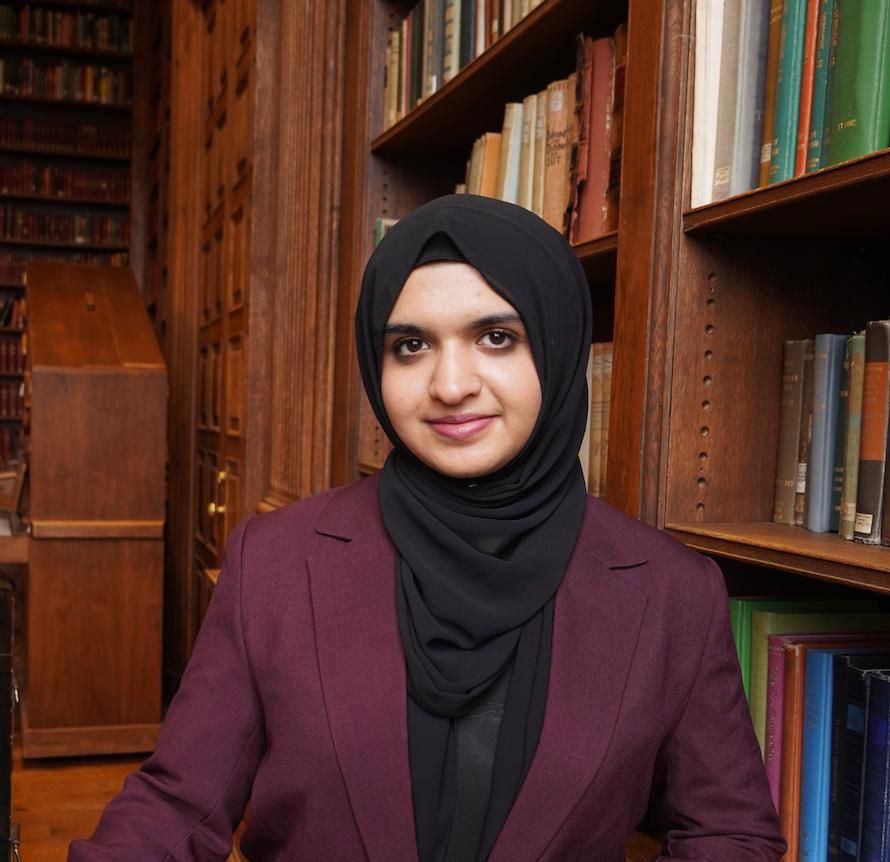
    Enaya Ahmad
    Harvard '26

    Enaya Ahmad

    Neuroscience & Chemistry · Global Health minor

    Senior at Harvard College. Researches brain tumor biology in the Shakhnovich and Rabkin Labs (senior thesis). Physics Teaching Fellow at Harvard Extension School and Director of Operations & Technology for Harvard Model Congress Middle East. Humanitarian Affairs Intern at the United Nations.
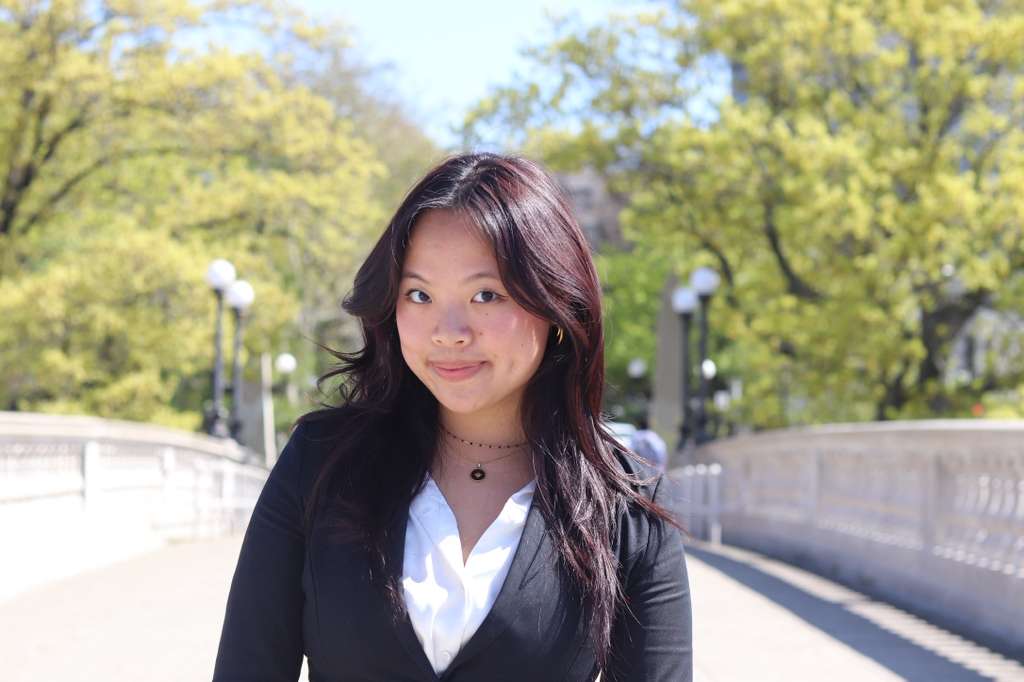
    Jessica Zhuo
    Harvard '27

    Jessica Zhuo

    Neuroscience · Mind, Brain, Behavior track

    Junior at Harvard College. Researches deep brain stimulation for treatment-resistant depression at the Center for Brain Circuit Therapeutics (Brigham & Women's / Harvard Medical School). Volunteer EMT with Harvard CrimsonEMS and co-president of the Asian American Women's Association.
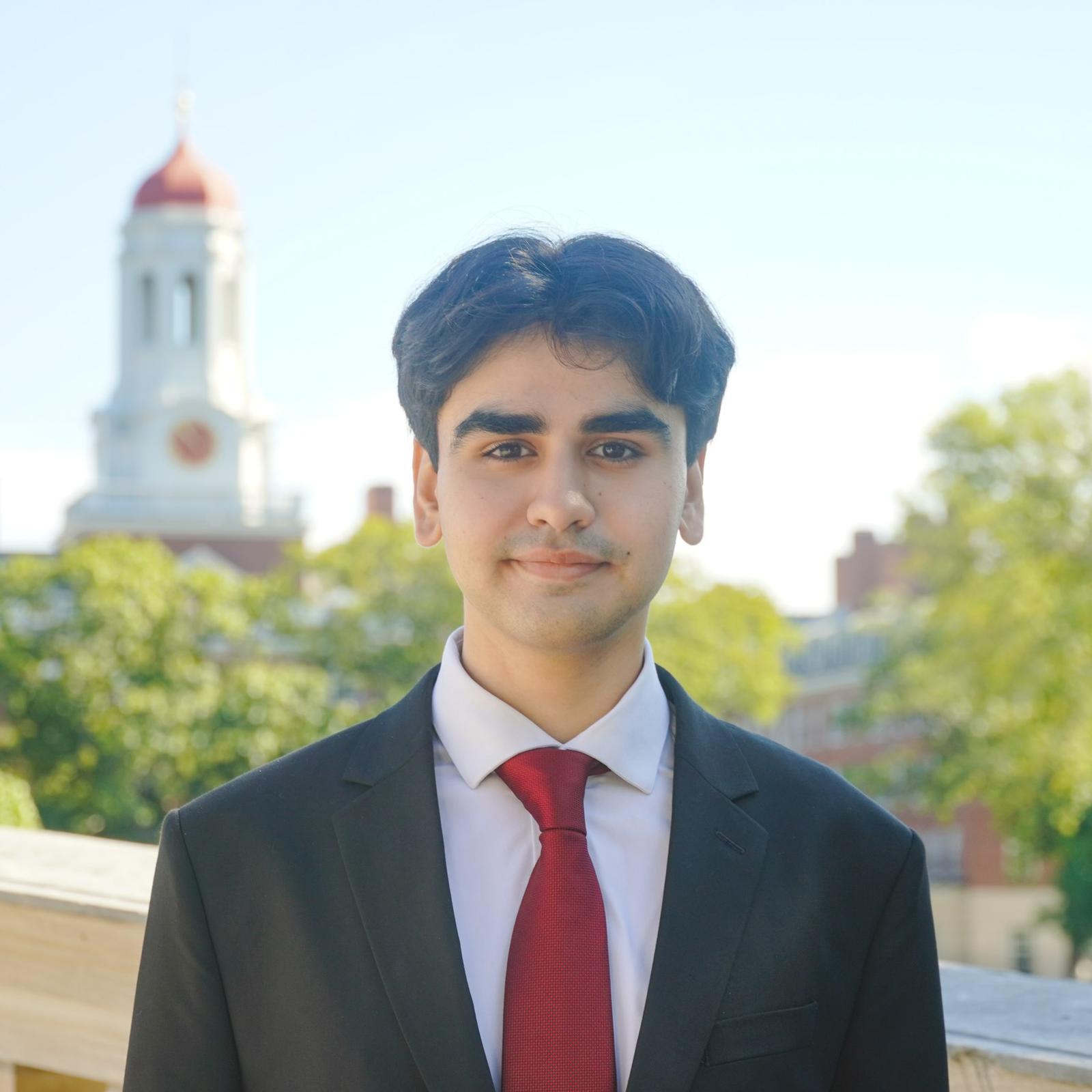
    Rohan Tyagi
    Harvard '27

    Rohan Tyagi

    Neuroscience & Computer Science

    Junior at Harvard College. Researches neurodegenerative disease mechanisms at the Yankner Lab (Harvard Medical School). Teaching Fellow for introductory neuroscience and active mentor for first-generation pre-med students.
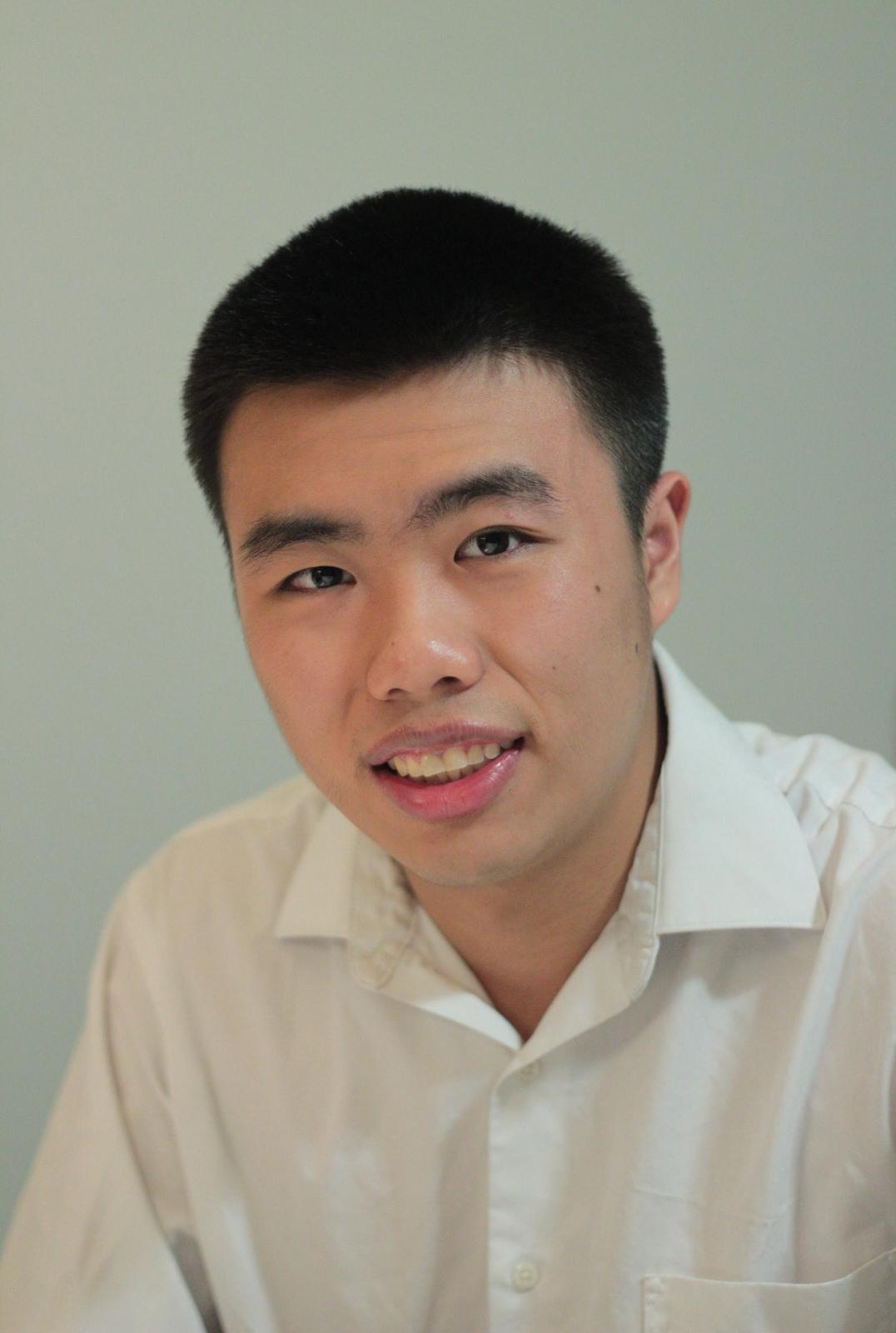
    Han
    Harvard '26

    Han

    Human Developmental & Regenerative Biology

    Senior at Harvard College. Researches stem-cell-based therapies at the Harvard Stem Cell Institute. Peer advisor for pre-med concentrators and contributor to the Harvard College Global Health Review.

    Six mysteries.
    Three weekends.
    One unforgettable start.

    Cohort 1: Oct 3, 2026 · Cohort 2: Dec 19, 2026 · Cohort 3: Mar 20, 2027. Limited to 8 students per cohort.