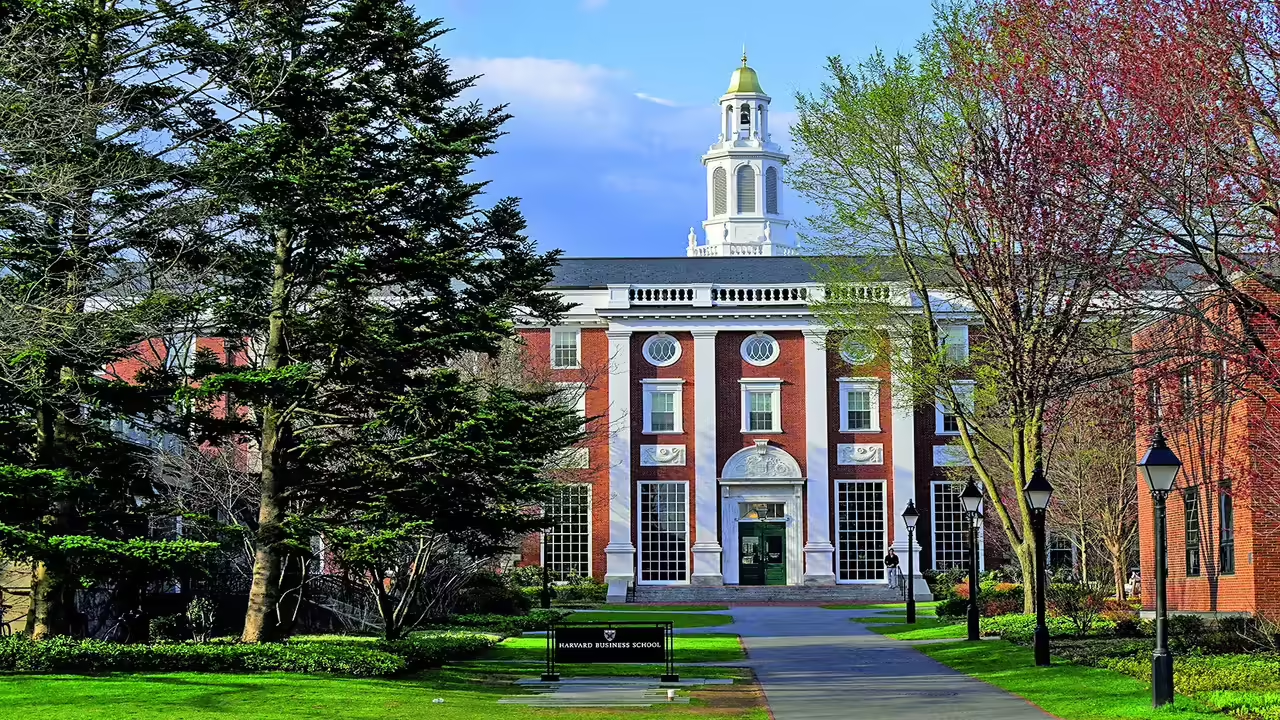
A Harvard student mentor.
Every month. On your work.
Two ways to build something real.
A focused 4-week sprint, or a full year of 1:1 mentorship to launch a signature project in medicine through the Future Doctors Impact Scholars Programme.
A focused 1-month sprint. Define a question, build a methodology, execute, and present — all with your Harvard student mentor.
A full year of 1:1 Harvard student mentorship to launch a real project in medicine — research, community initiative, digital tool, or publication.
From question to finished project.
A structured 1-month journey across four Saturdays. Every session has a purpose. Every step moves your project forward.
18 July — Define your question
Identify a focused, achievable healthcare question with your mentor. Scope, feasibility, and initial literature pointers.
25 July — Build the methodology
How will you gather evidence? Qualitative vs quantitative. Research design reviewed and refined with your mentor.
1 Aug — Execute & iterate
Data collection or analysis. Mentor reviews and redirects. Mid-project structured feedback.
8 Aug — Write up & present
Final document prepared. Presentation practised. Certificate issued. Project enters your portfolio.
- —4 × 30-min sessions with your Harvard student mentor — one every SaturdayOne session every Saturday across the month — progress, methodology, next steps. The same Harvard student mentor throughout, so they know your project inside out.
- —Async class recordingsTopic-specific recorded lessons on research design, literature review, data analysis, and presenting findings.
- —Masterclass access includedAll monthly free masterclass sessions included — no separate registration needed.
- —Project certificate on completionHarvard student-mentored Project Completion Certificate issued on final submission — named, signed, dated.
Grade 9–12 students building a research portfolio for US or UK medical school applications. Any student who wants something original to talk about in interviews.
What students actually build.
These are the kinds of projects students build on this programme. Your project is shaped with your Harvard student mentor to suit your level and the 4-week timeline — these show the direction, not the ceiling.
Impact of Social Media on Adolescent Mental Health Outcomes
A systematic review of 23 studies examining Instagram and TikTok usage patterns among 13–17 year olds, correlating screen time with anxiety and depression scores.
Antibiotic Resistance in Urban vs Rural Hospital Settings
Comparative analysis of MRSA prevalence data from two hospital systems, exploring whether population density and prescribing patterns predict resistance rates.
Health Literacy & Vaccination Rates in Underserved Communities
A community-based survey of 200 households measuring health literacy scores against COVID-19 and flu vaccination uptake, with policy recommendations.
AI-Assisted Triage: Could Algorithms Reduce ER Wait Times?
A proposal and feasibility analysis for using machine learning to pre-classify emergency department patients, modelled on real triage data from published datasets.
The interview question everyone gets.
'Tell me about your research.'
Med school interviewers ask this question. Most applicants fumble it. Yours will have a real answer — a project they designed, executed, and can defend.
One project > ten extracurriculars
Admissions committees see through activity lists. A completed, mentored research project signals depth, initiative, and intellectual maturity — the qualities admissions committees look for.
A written evaluation from your Harvard student mentor
Your Harvard student mentor produces a personal written evaluation of your project — specific, detailed, and based on every session they guided you through. That's a record that carries weight.
Before you commit.
What's the difference between the 1-month and 1-year tracks?
The 1-month Project Sprint (£399) delivers one focused project across 4 Saturdays. The 1-year Future Doctors Impact Scholars Programme (£4,599) gives you a dedicated Harvard student mentor for 12 months and 24 × 1:1 sessions to scope, execute, and launch a signature piece of work — designed for students building a serious portfolio.
How long is the program?
The Project Sprint runs 1 month across 4 Saturdays. The Future Doctors Impact Scholars Programme runs a full 12 months with two 45-min 1:1 sessions per month.
Is it the same mentor each session?
Yes. The same Harvard student mentor takes you through every session — they know your project and don't need re-briefing.
Can parents attend sessions?
Parents receive written reports (end-of-program for the Sprint; mid-year and end-of-year for the Future Doctors Impact Scholars Programme). Sessions are between the student and mentor — this is deliberate. We're building independence.
What kind of projects can I do?
Anything healthcare-related: public health research, clinical case studies, healthcare policy analysis, bioethics investigations, community health initiatives, digital tools, or publication-ready papers.
Harvard students. Real ones.
Every cohort is led by current Harvard undergraduates pursuing medicine, neuroscience, and global health. Not tutors. Not actors. The students med schools admit.
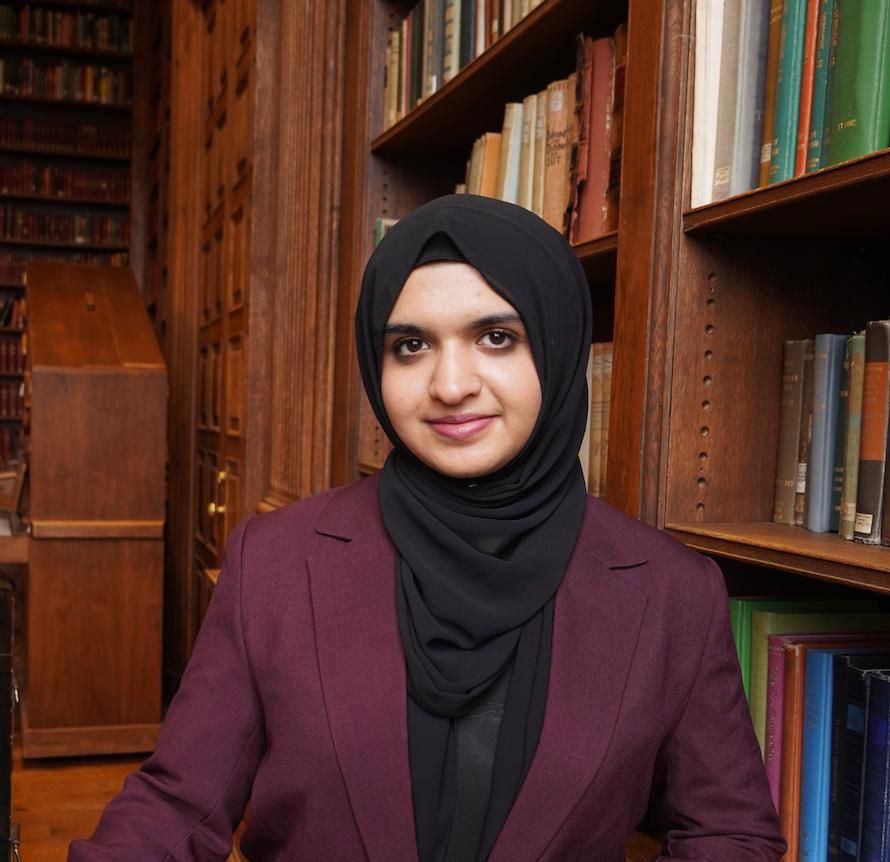
Enaya Ahmad
Senior at Harvard College. Researches brain tumor biology in the Shakhnovich and Rabkin Labs (senior thesis). Physics Teaching Fellow at Harvard Extension School and Director of Operations & Technology for Harvard Model Congress Middle East. Humanitarian Affairs Intern at the United Nations.
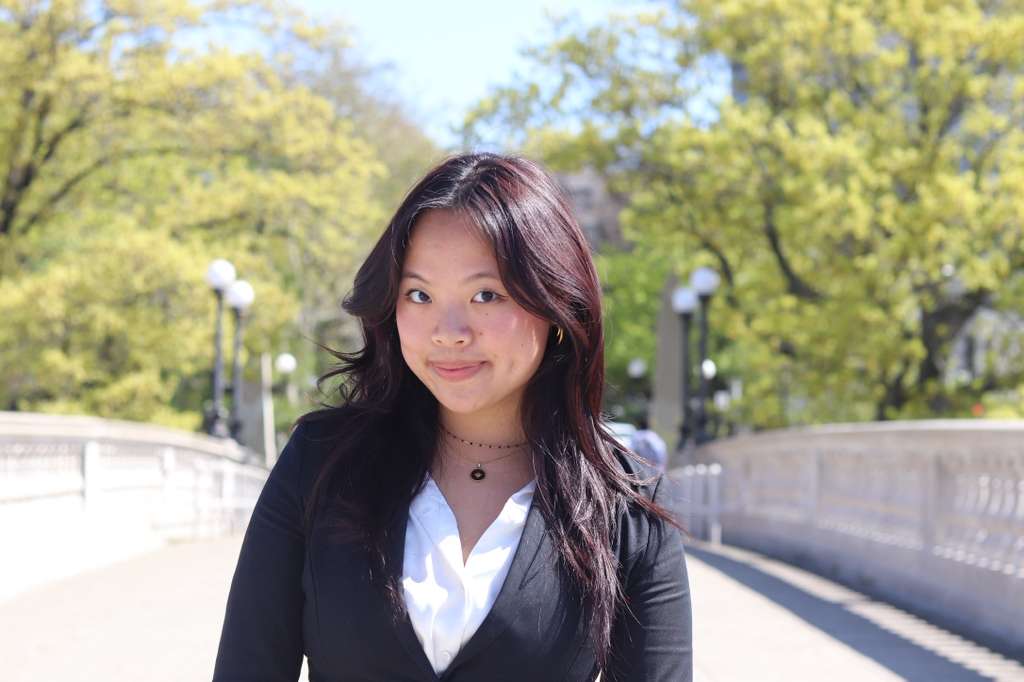
Jessica Zhuo
Junior at Harvard College. Researches deep brain stimulation for treatment-resistant depression at the Center for Brain Circuit Therapeutics (Brigham & Women's / Harvard Medical School). Volunteer EMT with Harvard CrimsonEMS and co-president of the Asian American Women's Association.
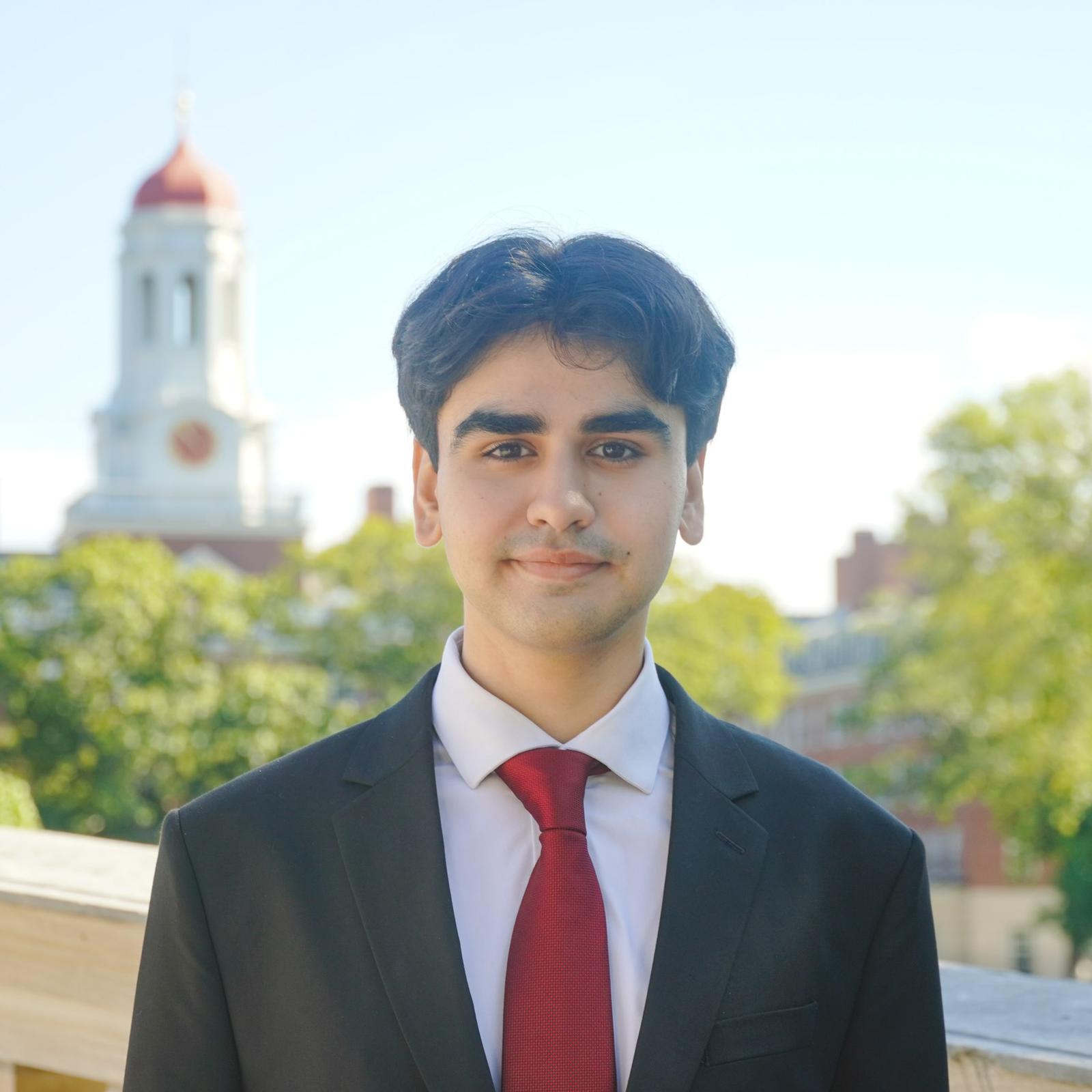
Rohan Tyagi
Junior at Harvard College. Researches neurodegenerative disease mechanisms at the Yankner Lab (Harvard Medical School). Teaching Fellow for introductory neuroscience and active mentor for first-generation pre-med students.
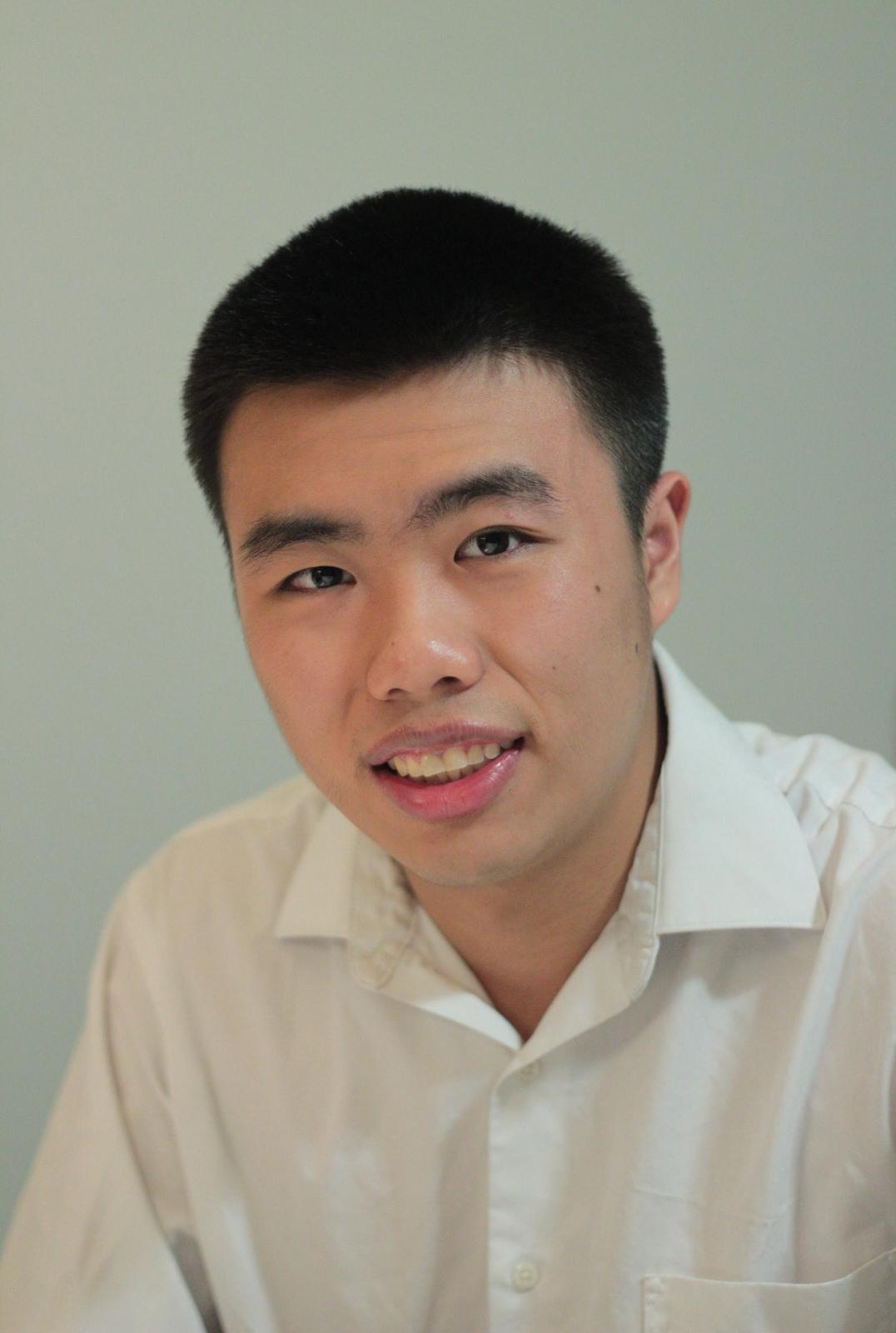
Han
Senior at Harvard College. Researches stem-cell-based therapies at the Harvard Stem Cell Institute. Peer advisor for pre-med concentrators and contributor to the Harvard College Global Health Review.
Ready to build something real?
Pick your path: a focused 1-month sprint, or a full year of 1:1 mentorship to launch your signature project in medicine through the Future Doctors Impact Scholars Programme.